Three sensor modalities, RTK/PPK precision GPS, rigorous GCP deployment, and proven processing pipelines — delivering reliable geospatial data every flight.
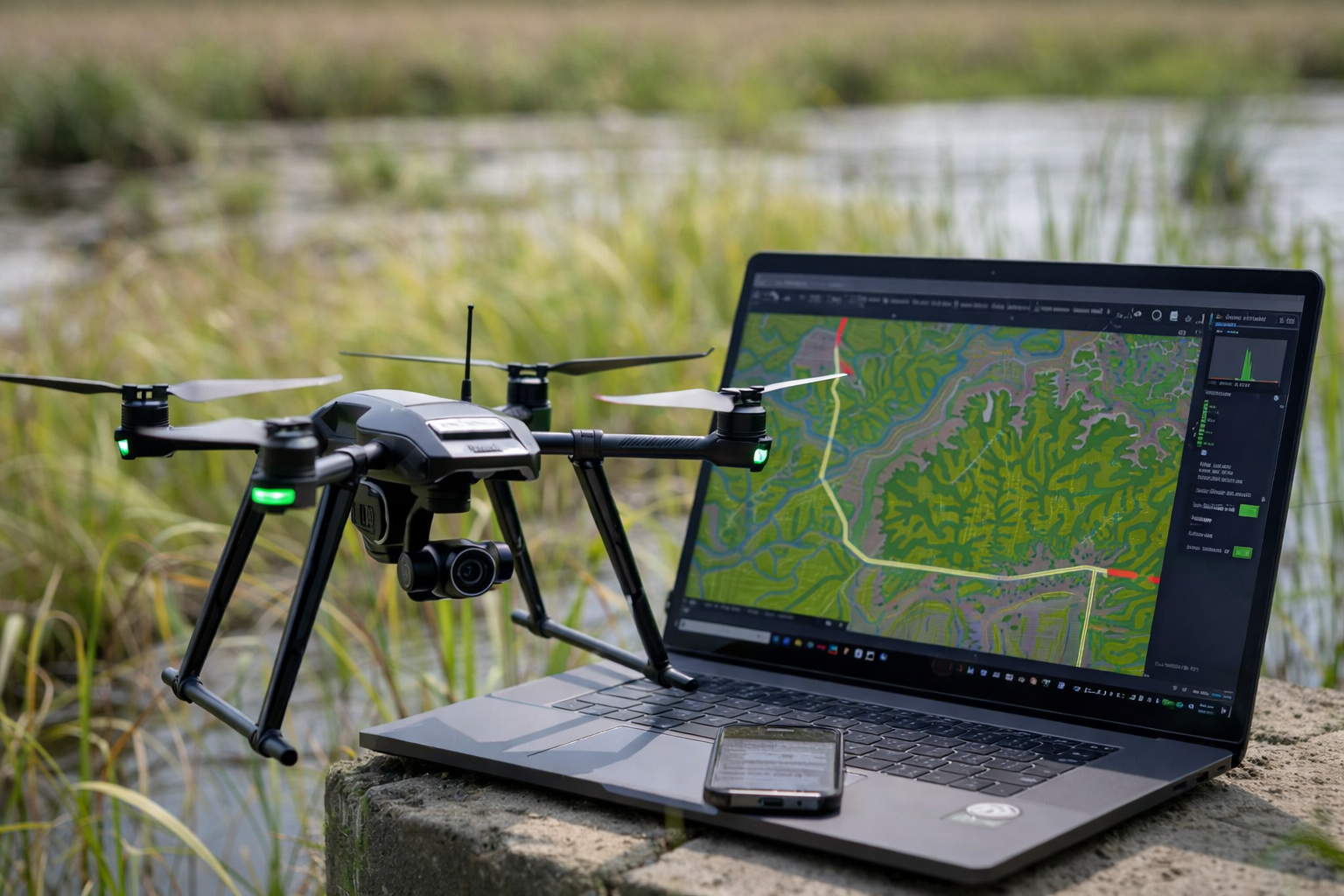
High-resolution colour cameras capture overlapping images processed into photogrammetric 3D models, orthomosaics, and surface models. The workhorse for topographic mapping.
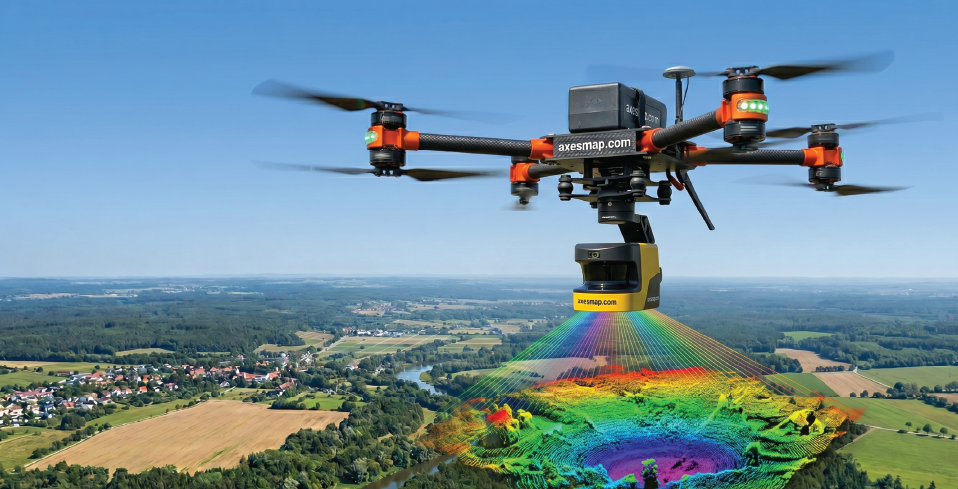
Laser pulse ranging generates dense 3D point clouds that penetrate through vegetation canopy — revealing true ground surface even under dense forest cover.
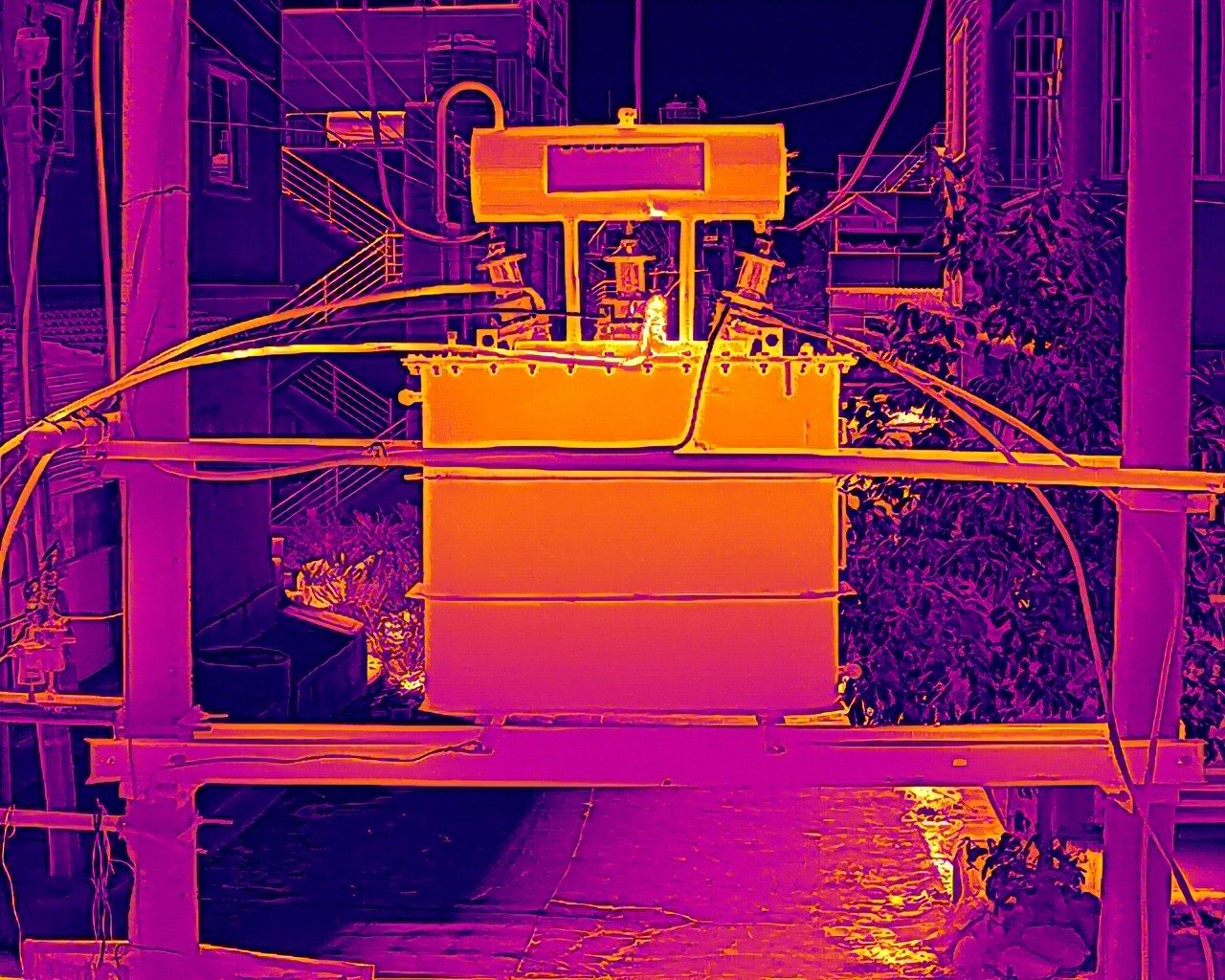
Dual-sensor design — radiometric thermal and 20MP RGB captured simultaneously. Measures absolute surface temperature, not just relative heat.
Every project begins with a detailed site assessment — area extent, terrain complexity, required accuracy, regulatory airspace, and optimal flight parameters.
GCPs surveyed with RTK or total station GPS to sub-decimetre accuracy. For large corridors, PPK GPS eliminates base station range limitations.
DGCA-certified operators execute the approved flight plan with real-time telemetry monitoring for sensor health, GPS signal, and battery status.
Raw data processed using photogrammetric and LiDAR pipelines. Outputs validated against independent check points.
Final deliverables in client-specified formats — GeoTIFF, LAS, DXF, SHP, OBJ, GLB, and PDF reports — delivered via secure cloud link or portal.
Geometrically corrected, seamlessly mosaicked aerial image — 2.5cm GSD available.
Digital Surface Model and Digital Terrain Model for elevation analysis.
Dense 3D georeferenced point cloud from photogrammetry or LiDAR — classified and filtered.
Auto-generated contour lines at 0.25m, 0.5m, or 1m intervals.
Textured 3D mesh for visualisation, heritage documentation, and BIM integration.
Cut-and-fill calculations, stockpile volumes, and change detection with audit trails.
Spot height and block level data for civil construction planning and earthworks.
Web-based data portal for recurring projects with automated reporting.